
By Lew McDaniel
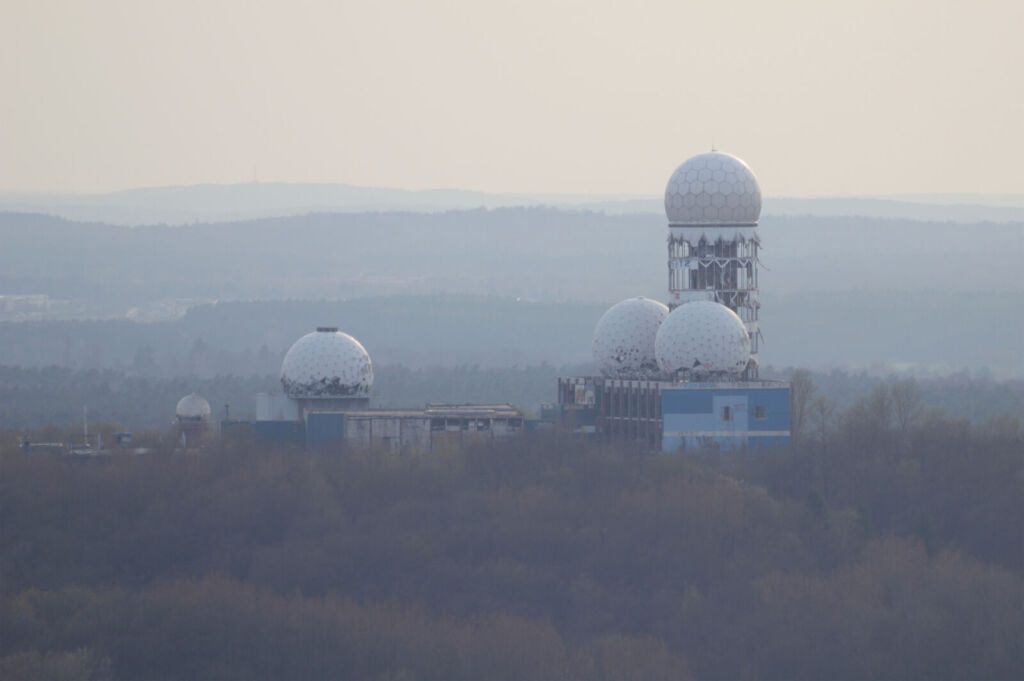
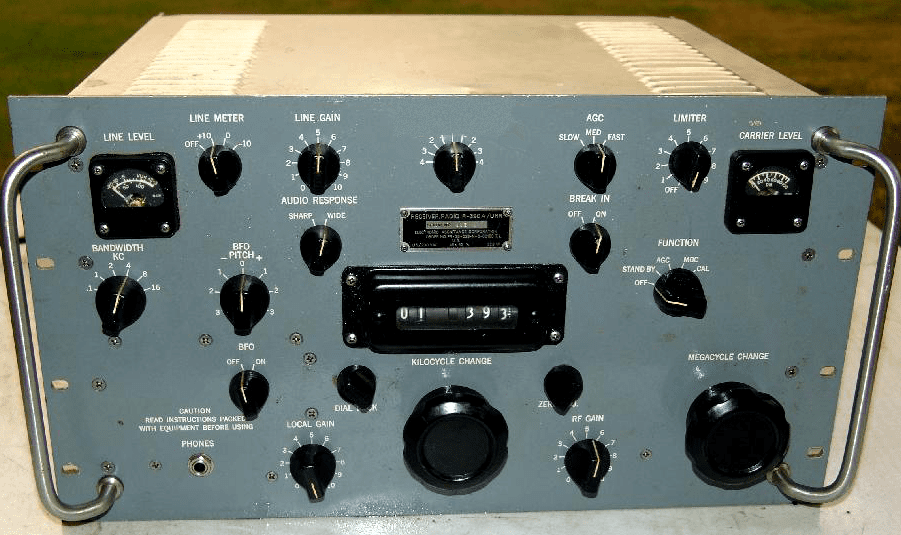
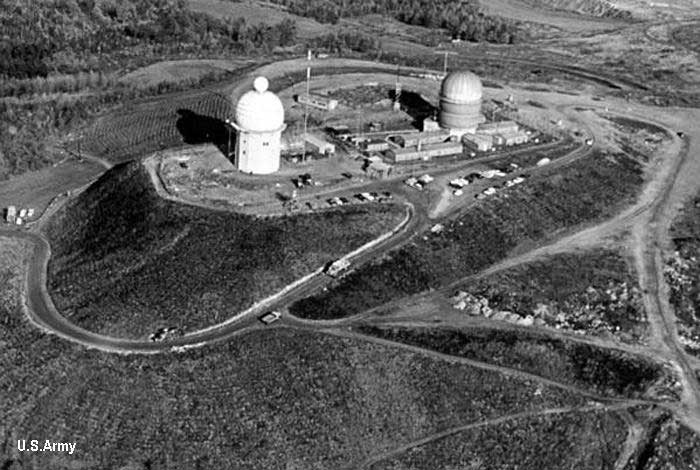
My duty station was at Site 3, Teufelsberg, in West Berlin. Initially, I was an “operator” in the Pit. The Pit was the central area under an inflatable dome covering our antennae. During my “trick” (rotating 8-hour shift), I listened to frequencies assigned by the CHOP (Chief Operator) or scanned to see what I could find. The input radios were R-390As (military shortwave receivers).
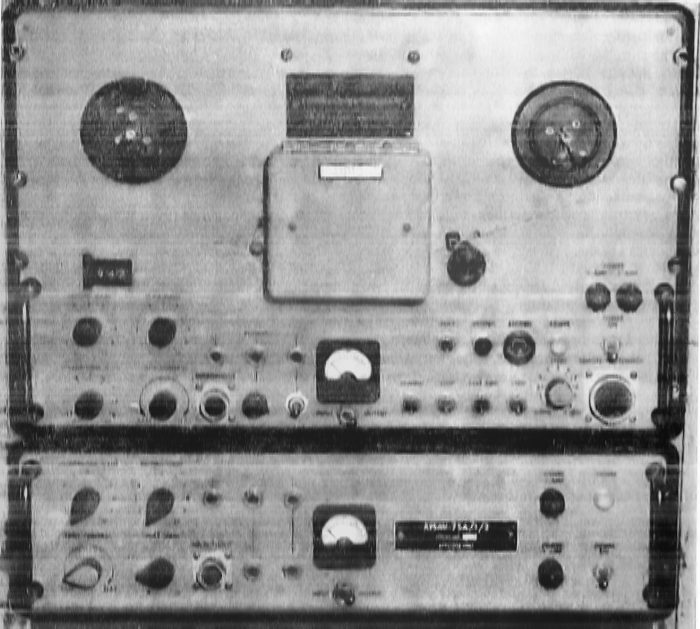
When something of interest was heard, I recorded it to a slaved ANTH-11 five-inch reel recorder (analog tape recorder, see below for a later Navy version). Most of what we heard was tactical information about unit locations, compositions, activities, and sometimes just idle chatter.
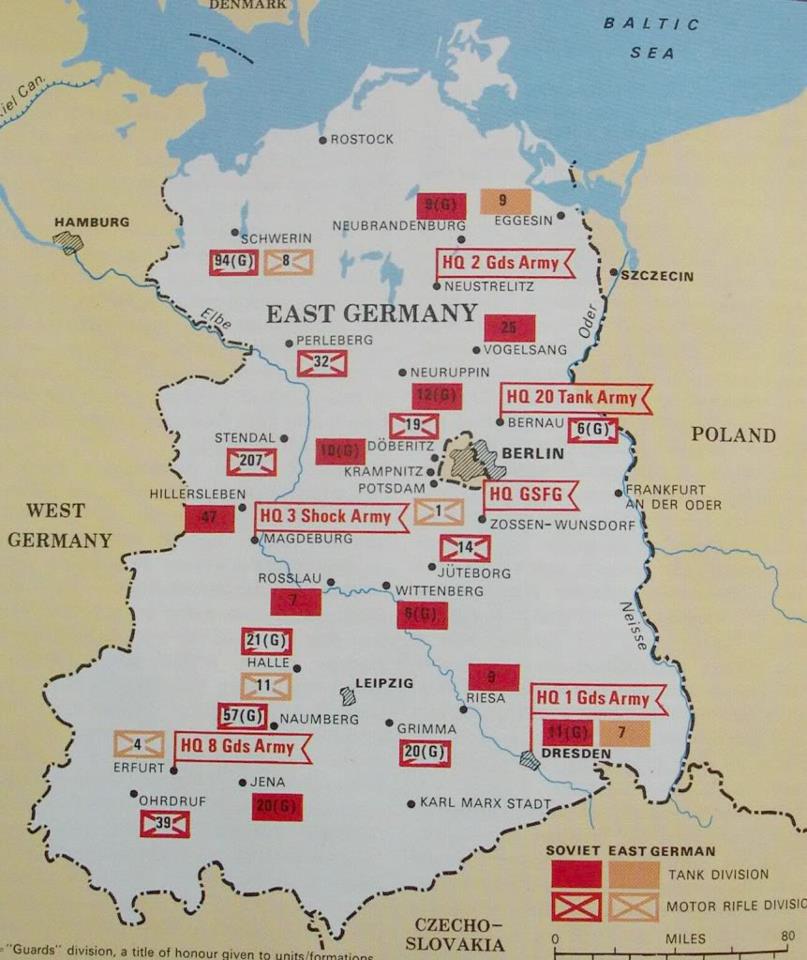
We were not mobile in any sense. Others—like the ASA (Army Security Agency) folks in Vietnam—were. Their danger was imminent; ours was potentially so. Our West Berlin sites were at the top of the opposition’s missile and artillery target list. Allied forces were outnumbered by magnitudes in all aspects. We figured if Russia wanted Europe, forces would be at the English Channel in a very short time, leaving a “Prison Camp” sign on the Berlin Wall as they went by.
How I Ended Up There
I was in Baltimore in the process of being hired at Revere Brass and Copper when my wife called to tell me Uncle Sam had kindly invited me to join his services.
Having discovered freedom, women, and adult beverages after a closely managed upbringing, I had eschewed class attention at WVU (West Virginia University). When they booted me out, the draft loomed.
Wanting at least a modicum of choice, I decided to enlist in the Army to be a helicopter or fixed-wing pilot. Fortunately, the entry physical revealed I am partially colorblind. That likely saved my life and explained why I got odd looks sometimes—maybe.
I think the recruiter suggested ASA upfront after giving me the “likely Europe, not Vietnam” song and dance and mentioned the four-year commitment. I was 22 then, when youth was spent freely, and signed up.
Subsequent testing reflected my knack for languages. In high school and college I had done well in German classes. I was given a choice (yeah, sure) of languages. Using reverse logic, I indicated Chinese, Russian, and German. And naturally ended up with Russian.
Training
Basic training was at Fort Dix, July into August. Obnoxiously hot. Plus we all got the “Southeast Asia” shot series delivered with the “quiver at all and the air injector will slice you” device. Some were sliced. Whatever was actually in the shots (content has been debated) caused lymph glands to swell so much that physical training was halted for two days. We all walked around with our arms positioned like weight lifters better than Ahnold.
I was offered Officers Candidate School, but declined. Second lieutenants tended not to last long if sent to Vietnam. Neither did chopper jockeys, so go figure why I even thought that would be a good idea.
Language school at the Defense Language Institute in Monterey, California, was great academically and recreationally. Nothing but Russian during classes, six hours a day during the week. One instructor was a former opera singer from Moscow. Another had ancestors who were German civil servants invited to Russia by Peter the Great. He later fled Germany when the Nazis were wreaking havoc—twice ships he was on were torpedoed. Another was a former Polish Army artillery colonel.
The rest of the time, I was mostly on the beach. A big adventure for a WV guy.
Next came three months of security training at Goodfellow AFB (Air Force Base) in San Angelo, Texas. 104 degrees—but it was a dry heat. Yeah, sure.
Getting to Berlin
From Newark, I was supposed to fly to Germany. At that time, the military didn’t have enough passenger planes, so it contracted private carriers.
A sole employee showed up and showed us how to load the plane. Ten or twelve of us loaded baggage for about 180 passengers. All ranks—though we low-rank people did the loading, of course.
We took off, turned around due to an engine problem, sat on the plane for hours without food or AC, attempted takeoff again, nearly ran off the runway, and finally ended up in a hotel after a long, miserable day.
Eventually I made it to Frankfurt and then into West Berlin by the U.S. duty train (a restricted military train allowed to pass through East Germany). Because of our security clearance, that or American-flagged aircraft was the only way we were allowed in or out.
At the East German border, locomotives were changed and guards walked through the train. Mostly they looked bored. Outside, though, there was trading—American cigarettes or Playboy magazines for Soviet or East German uniform parts or flags. I bought an East German national flag for a carton of Winstons—less than $5 at the PX (Post Exchange).
The Work
In addition to operator work, I later became a “scanner.” Scanners listened to all those tape recordings to glean anything important. Important information was typed up—usually summaries. But when something unusual or valuable came through, we transliterated it letter for letter.
Pre-1968
Everything and anything could have importance.
I once listened to a Russian tank mechanic explaining repairs to a Polish mechanic over the radio. That went on for about a week. The Russian was reading from a manual; the Polish guy didn’t understand Russian well. Russia was still recovering from WWII losses and conscripted people from across the Soviet bloc. Officially they all spoke Russian. In practice, not so much.
Another time, I picked up a conversation about fuel quantities that didn’t sound right. Turned out to be a previously unknown tactical fuel pipeline operation.
We also monitored “winds aloft” reports—long transmissions of numbers, basically weather data used by artillery and missile units. When you’re outnumbered and sitting on a target list, you pay attention to that sort of thing.
There were slack times. With an earphone on one ear, we’d play word games or just talk. Mids (midnight shifts) were the slowest. Around 4:30 a.m., after endless cups of coffee, it felt like an alligator had crapped in your mouth.
Sometimes we picked up non-military signals. On July 20, 1969, when man first walked on the moon, a technician rigged up an oscilloscope screen and someone found the Houston feed. About 20 of us stood there watching it.
Moments of Tension
Several times a year, Warsaw Pact exercises took place. Tape volume skyrocketed—maybe 75 or more reels per shift. My normal eight hours stretched to 12 or more. You had to listen to everything. You never knew when something critical would show up.
We knew from experience that warnings didn’t always get acted on. During the Soviet invasion of Czechoslovakia, ASA units picked up signs something was happening—but it was ignored up the chain.
At Teufelsberg, there were physical reminders of risk too. The Pit sat under a dome inflated by air compressors—WWII German submarine equipment. If high winds threatened collapse, a klaxon would sound telling us to leave. We never did.
Later, I worked on a project to automate intelligence collection using CDC 3150 computers (early mainframe systems). We could designate frequencies to monitor automatically. One day, we had to shut it down. East German diplomatic cars had begun appearing nearby. Turned out our equipment was radiating signals outside the facility.
Life in Berlin
My wife came with me to Berlin. We lived “on the economy” with Berliners. The Army issued me an airline ticket for her evacuation if things went bad—and two boxes of C-rations. When I left Berlin, I had to turn them back in.
We lived in several apartments. One had been occupied by Russians during WWII. The landlord said they were polite enough, but used the courtyard as a bathroom and took all the porcelain fixtures when they left.
In another apartment, you could still see bullet holes in buildings across the street. Occasionally, roads were closed because unexploded WWII bombs were found.
We shopped locally, using the commissary (military grocery) and PX only for what we couldn’t get. Sometimes we traded American goods—beef and Jim Beam—for meals with Berliners.
I spoke passable German. For some reason, people said I sounded like a Scotsman. Never knew if that was good or bad. But it got me my “halb mit schnapps”—half liter of beer with a shot of schnapps in it.
Reflection
In July 1971, I left Berlin—and the Army. I was offered a warrant officer position (a technical specialist rank), and I would have taken it. But my wife didn’t like the idea of moving every three years, so I passed.
I flew home from Tegel on a nearly empty jumbo jet—played bridge with the flight attendants, had first-class seating, food, and drinks.
Back home, I finished my degree in Russian, taught Russian and German, and later worked in computing and education.
Looking back, we weren’t “real military” in the usual sense. We wore uniforms, qualified with weapons once a year, and that was about it. But we sat and listened to everything, because everything might matter.
Afterword
One thing I forgot earlier—getting the security clearance raised a ruckus with friends and family when the Navy (at the time) questioned them. In 1967, I had to sign a 25-year secrecy oath, with Fort Leavenworth stockade being the penalty. Parents and relatives didn’t know what I did until the end of that oath. My wife only knew that I was a linguist, not what I did or how.
Around 1995, a fellow Berlin vet and I started reunions, organized every other year. We tracked down names using a CD that contained U.S. phone books at the time. That led to more names. I have the roster now—have forgotten how many names are on it—but it has been moribund for some time.
We tried to get younger vets interested in taking over the project, but found none.
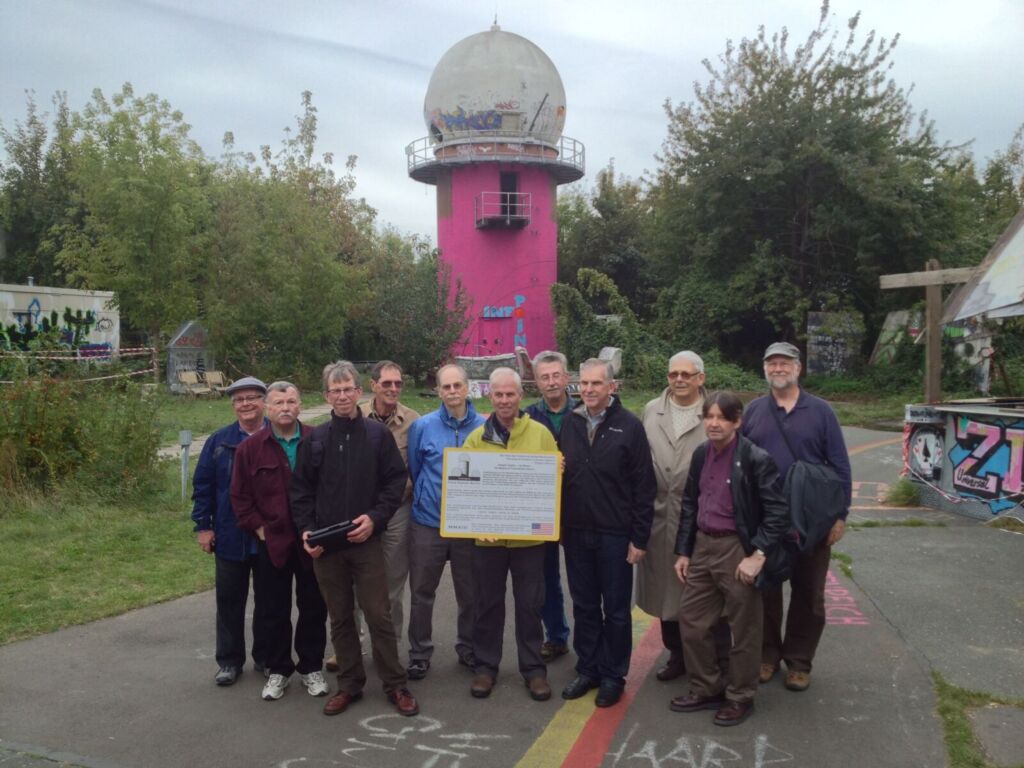
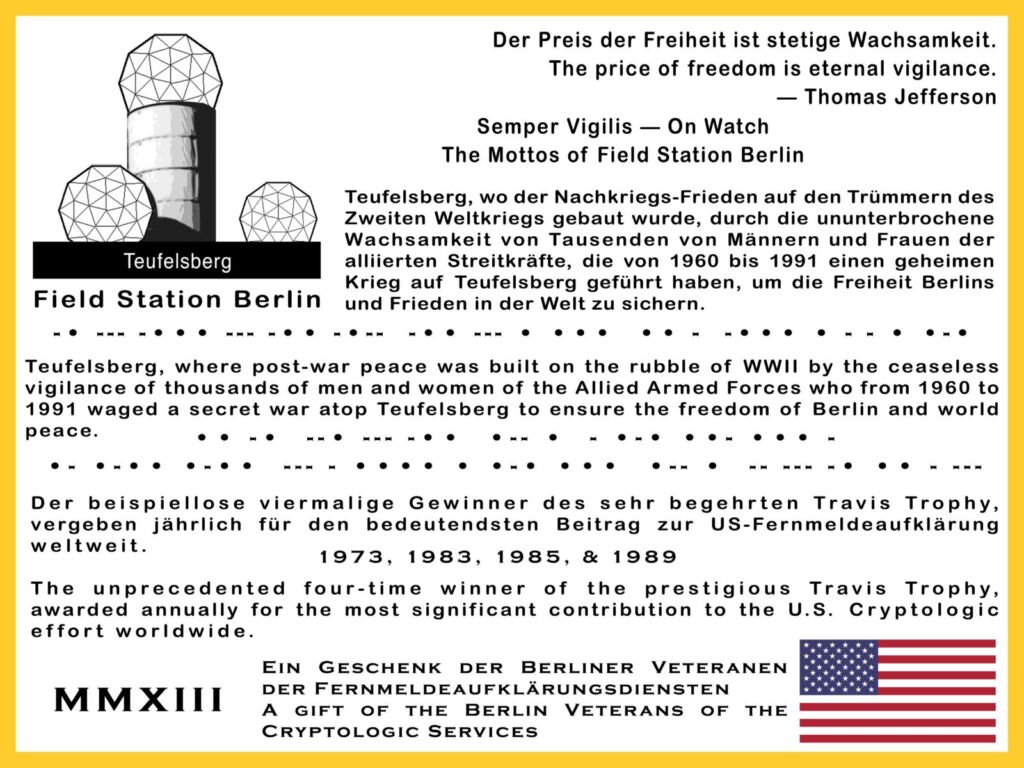
We also tried to get the Berlin city government to allow us to put a marker about our service on Teufelsberg. They refused. So we aimed for a brass plaque on the site. As far as we got was a mockup placed at the site and one given to the Allied Museum in Berlin.